Key Takeaways
- Antigua and Barbuda combine local food, outdoor adventure, sports, and culture into a multifaceted island getaway.
- Travel advisors can match the dual destination to a wide range of clients, including those looking for a fresh take on a Caribbean vacation.
- The islands provide a two-in-one experience, pairing Antigua’s lively tourism scene with Barbuda’s quieter, nature-rich atmosphere.
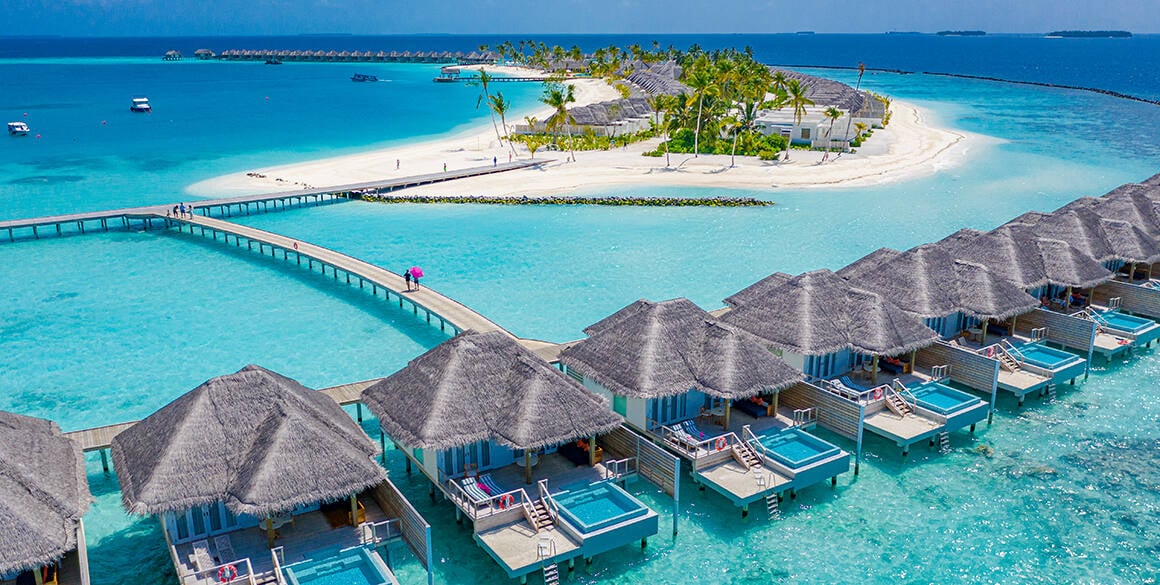
Blue water. White sand. Golden sunshine. The colors of a Caribbean vacation may look familiar, but Antigua and Barbuda prove no two destinations paint quite the same picture. With distinctive flavors, landscapes, pastimes, and traditions, the islands give travelers a fresh take on the classic Caribbean getaway.
And what better way to view those differences than through the colors of the nation’s flag? From black and yellow to blue, white, and red, each hue connects to an experience or cultural touchstone that sets Antigua and Barbuda apart from its Caribbean neighbors.
Here’s what the colors reveal.
Black: The Flavors of Antigua and Barbuda
The first flavor worth knowing is one that’s homegrown: the black pineapple. Native to Antigua, the national fruit is prized for its exceptional sweetness, giving travelers just a taste of what’s waiting across the islands.
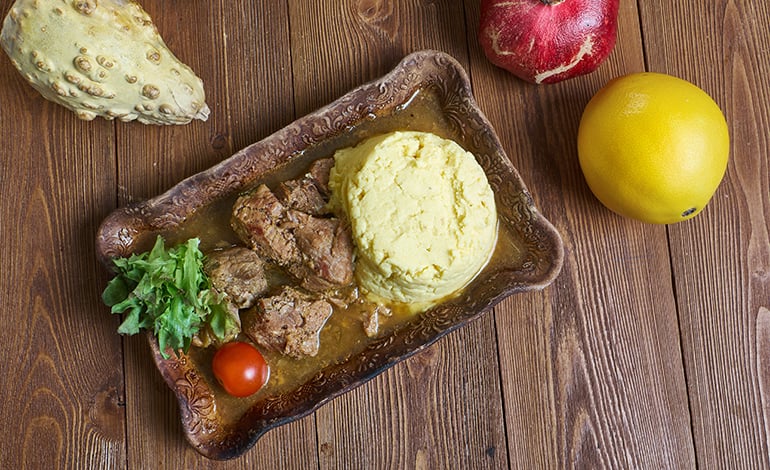
The black pineapple is only one facet of a culinary scene shaped by African, Caribbean, European, and Indigenous influences. Regional favorites like conch fritters and jerk chicken share the menu with specialties such as ducana, a sweet potato dumpling cooked in banana leaves, and the national dish, fungee and pepperpot—a cornmeal-based side paired with a hearty meat-and-vegetable stew. Even when foods feel reminiscent, local ingredients and cooking methods create flavor profiles travelers won’t find on every Caribbean menu.
Yellow: Outdoor Adventure and Natural Wonders
The yellow sun of Antigua and Barbuda’s flag is a call to explore its natural wonders, starting with views from above. Hikers can climb through tropical forest to Boggy Peak, Antigua’s highest point, where panoramic views stretch across the island and Caribbean Sea.
Another perspective awaits at Shirley Heights, a restored military lookout overlooking English and Falmouth Harbors. On Sunday evenings, the historic setting transforms into a lively gathering with barbecue, drinks, and live music accompanying the sunset.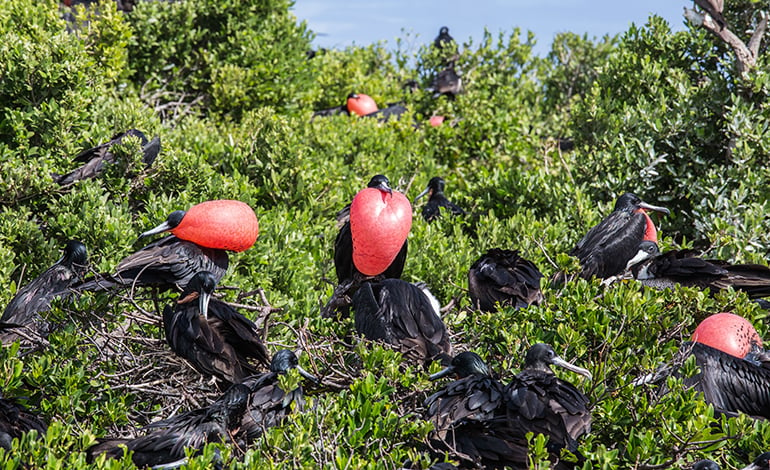 Barbuda brings wildlife into the picture at the Frigate Bird Sanctuary, accessible by a short boat ride and home to one of the largest frigatebird colonies in the Western Hemisphere. From forested heights and historic overlooks to remarkable wildlife, the islands give nature-loving clients plenty worth stepping off the sand to see.
Blue: Island Life Shaped by the Sea
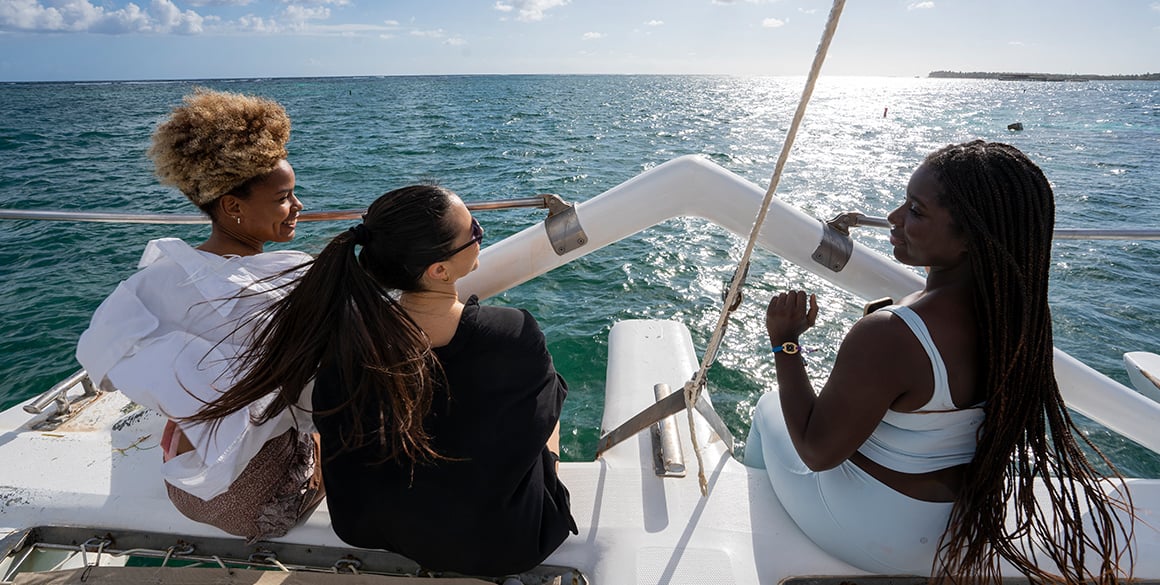
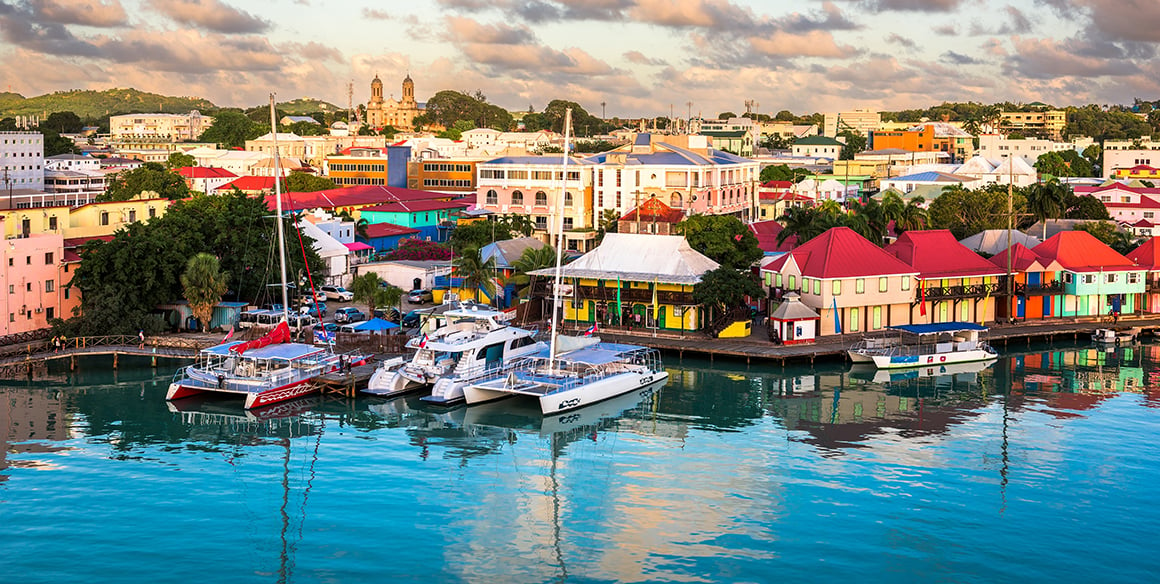
Breathtaking beaches aren’t hard to come by in the Caribbean, but Antigua claims one for every day of the year. Its 365 stretches of sand range from the resort atmosphere of Dickenson Bay and Runaway Bay to less-developed shores along the south and southwest coasts. Across the water, Barbuda adds rosy pink sand at Princess Diana Beach, creating a striking alternative to the white shores vacationers have come to expect.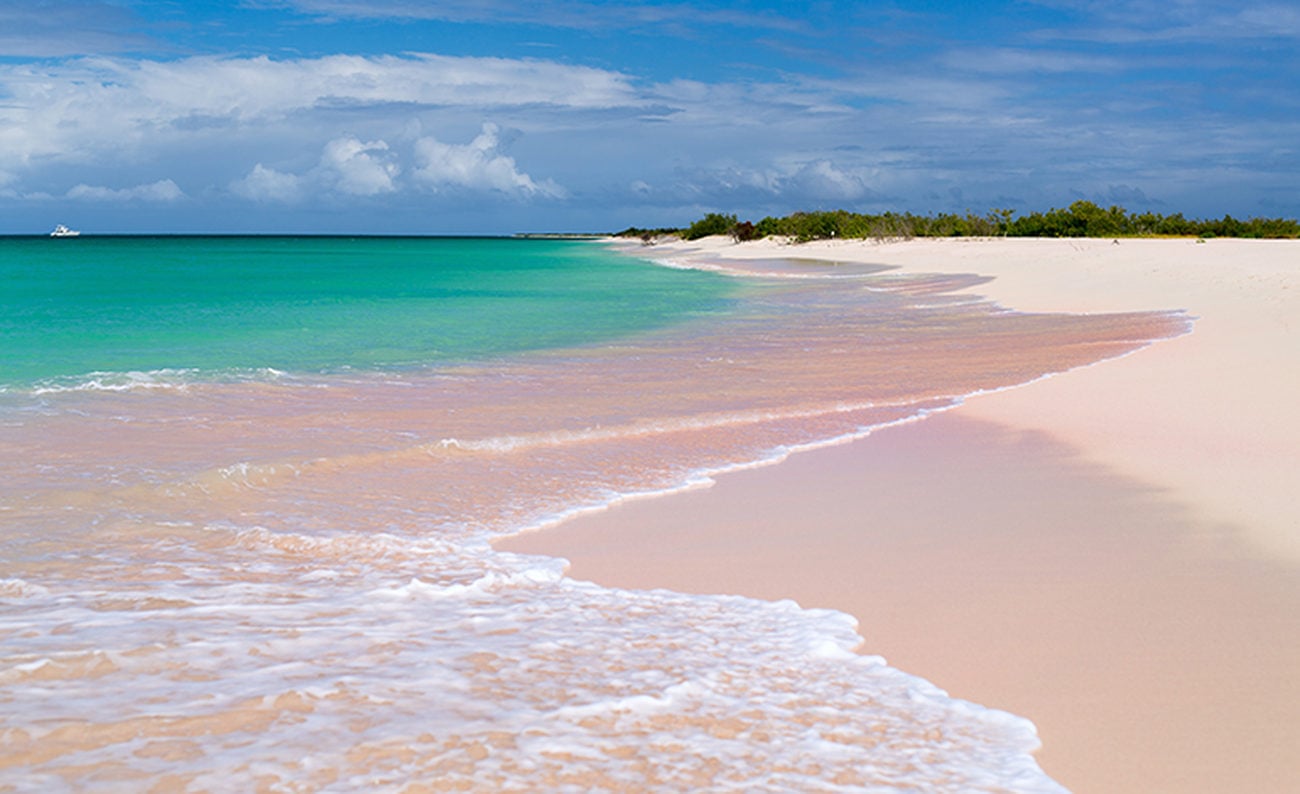 The sea has also shaped Antigua into one of the Caribbean’s prominent sailing destinations. English Harbour reflects its maritime history as home to Nelson’s Dockyard, an 18th century British naval site and UNESCO World Heritage Site, while Falmouth Harbour is known for its yachting scene.
That connection comes alive during Antigua Sailing Week, an internationally recognized regatta hosted annually in late April or early May. Combining racing with parties and social events, it gives travelers a firsthand look at a pastime integral to Antigua’s identity.
White: Cricket, Culture, and National Pride
White takes on a different meaning here, representing the uniforms of the country’s national sport: cricket. A source of local pride, the game has an especially strong tie to Antigua thanks to homegrown talent like Sir Vivian Richards. Regarded as one of cricket’s greatest batsmen, Sir Vivian Richards joins other celebrated Antiguan players like Andy Roberts and Richie Richardson in cementing the island’s place in Caribbean cricket.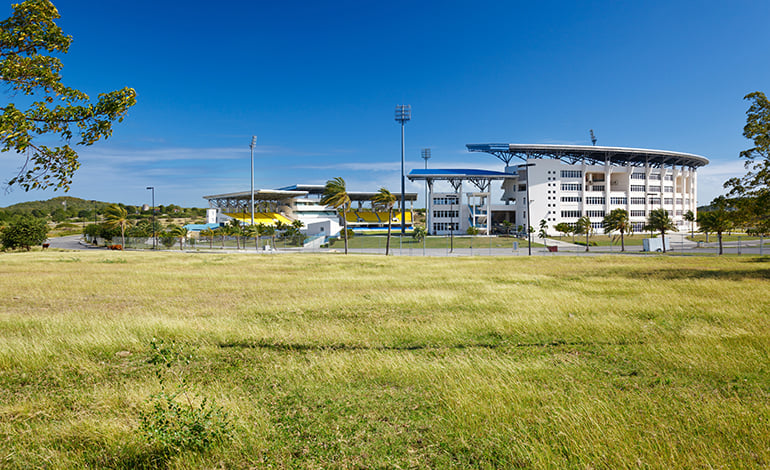 Visitors can get a closer look at this local pastime at Sir Vivian Richards Stadium, built for the 2007 Cricket World Cup and named in honor of the Antiguan legend. The venue continues to host international and regional matches, giving devoted fans and curious newcomers alike a chance to experience a meaningful part of island life firsthand.
Red: The Meaning Behind Antigua Carnival
Red captures the spirit of Antigua and Barbuda’s biggest cultural event: Carnival. But this holiday is about more than a good time.
Held in late July and early August, it commemorates emancipation from slavery, setting it apart from Caribbean festivals with origins in the sugar harvest or pre-Lenten celebrations. That meaning comes into focus during Watch Night on July 31, when drumming, steel pan, dance, and other performances honor the country’s journey to freedom.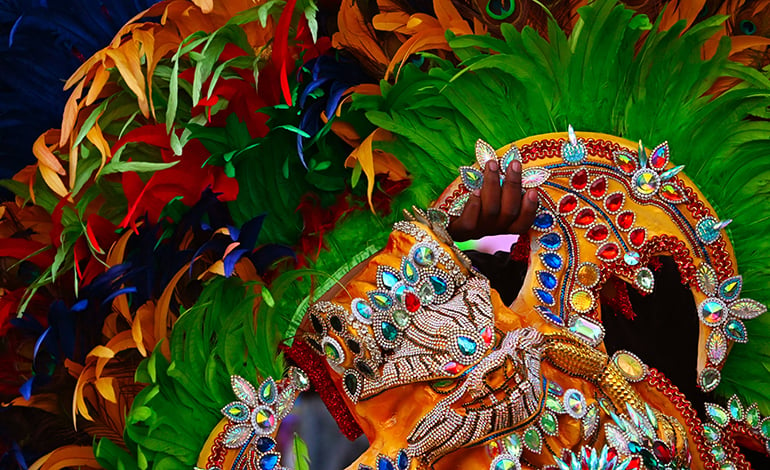 The energy continues with J’ouvert, an early-morning gathering where revelers covered in paint, powder, mud, and oil follow music trucks through the streets. Panorama steel pan competitions and Carnival Monday and Tuesday parades also fill the capital city with music, costumes, and cultural pride, offering a lively introduction to the history behind one of the country’s most important events.
The Bottom Line
Antigua and Barbuda may share the sun, sand, and sea travelers love about the Caribbean, but its appeal is anything but one-note. Local flavors, outdoor adventures, sailing, cricket, and Carnival create plenty of possibilities for travel advisors to tailor each trip to their clients’ interests. With a palette this varied, a classic Caribbean getaway takes on a whole new color.